Home Cladding Installation in Boston, MA
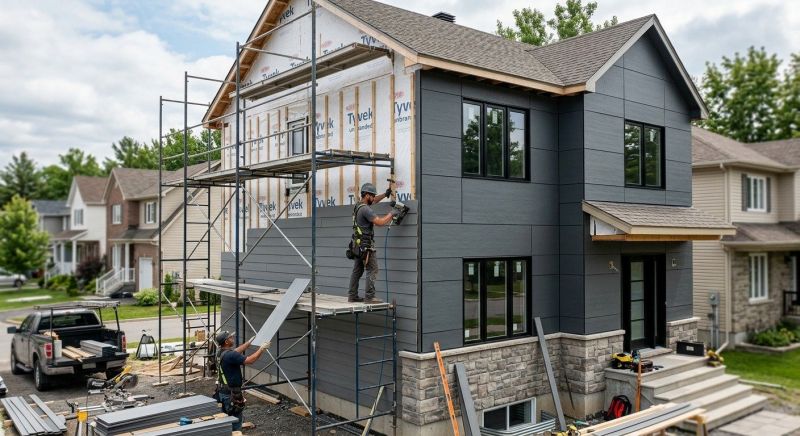
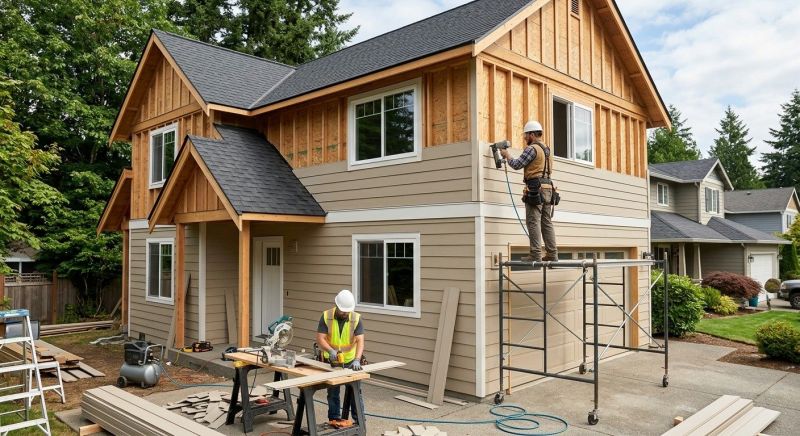
Home cladding installation involves adding exterior coverings to a building’s walls to enhance its appearance, improve insulation, and protect against weather elements. This service covers a variety of projects, including updating the look of residential homes, adding new layers to existing structures, or completing new construction. Homeowners typically want to understand the different types of cladding materials available, such as vinyl, wood, fiber cement, or metal, and how each can impact durability, maintenance, and aesthetic appeal. It’s also common to inquire about the process involved, the preparation needed, and the overall benefits of choosing specific cladding options for their property.
Before requesting home cladding installation, property owners should consider the compatibility of materials with their existing architecture, local climate conditions, and their long-term maintenance preferences. Understanding the scope of work, including any necessary repairs to the underlying structure, can help ensure the project meets expectations. It’s also useful to clarify the selection process for materials and finishes, as well as any building codes or regulations that may influence the installation. Proper planning and informed choices can contribute to a successful upgrade that enhances the property's exterior and overall value.
Many property owners in Boston, MA look into Home Cladding Installation for repairs, replacements, upgrades, and appearance-related improvements.
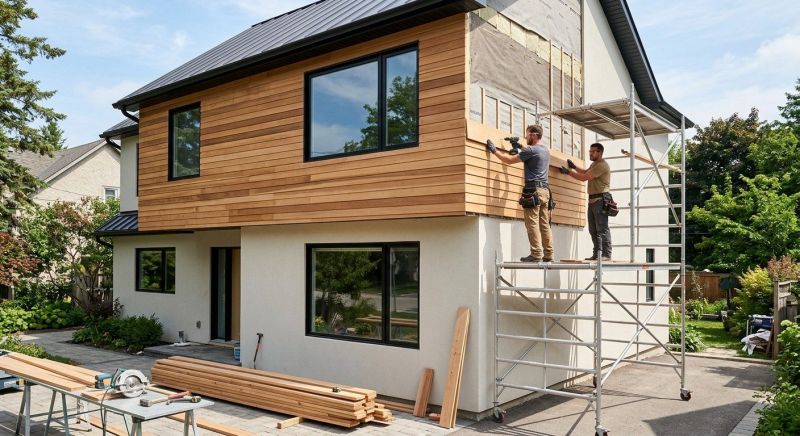
Enhancing Home Appearance
Cladding can improve the curb appeal of residential properties in boston and surrounding areas.
Adding Weather Resistance
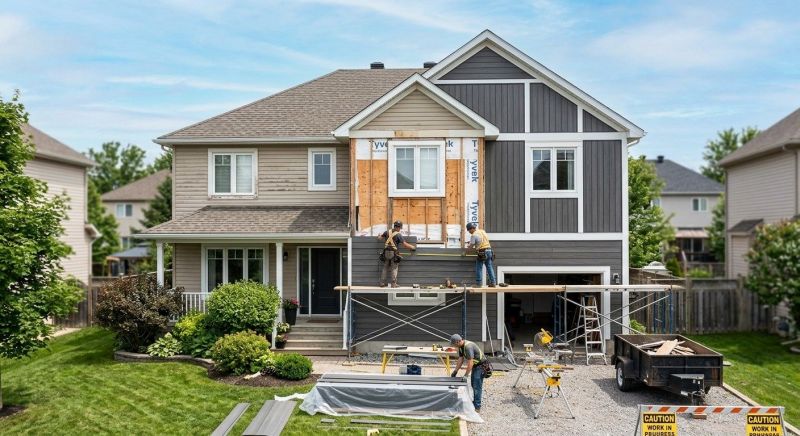
Proper cladding helps protect exterior walls from moisture, wind, and other elements.
Increasing Property Value
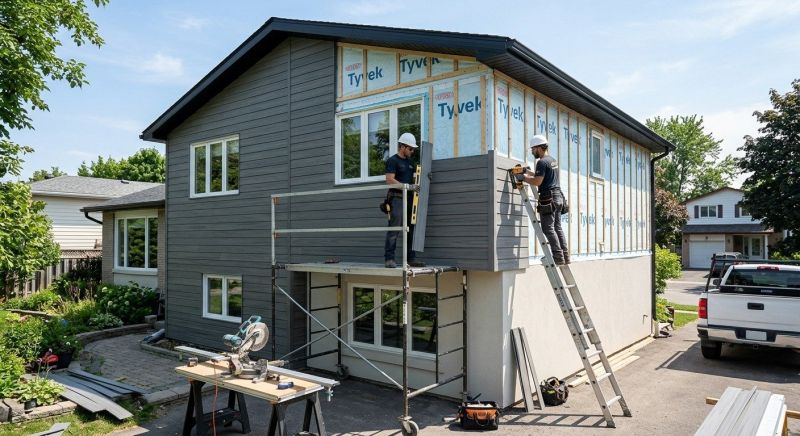
Upgrading cladding materials can boost the overall value and durability of homes in the boston region.
Home Cladding Installation in Boston, MA
Home cladding installation involves adding exterior coverings to a building’s walls to enhance its appearance, improve insulation, and protect against weather elements. This service covers a variety of projects, including updating the look of residential homes, adding new layers to existing structures, or completing new construction. Homeowners typically want to understand the different types of cladding materials available, such as vinyl, wood, fiber cement, or metal, and how each can impact durability, maintenance, and aesthetic appeal. It’s also common to inquire about the process involved, the preparation needed, and the overall benefits of choosing specific cladding options for their property.
Before requesting home cladding installation, property owners should consider the compatibility of materials with their existing architecture, local climate conditions, and their long-term maintenance preferences. Understanding the scope of work, including any necessary repairs to the underlying structure, can help ensure the project meets expectations. It’s also useful to clarify the selection process for materials and finishes, as well as any building codes or regulations that may influence the installation. Proper planning and informed choices can contribute to a successful upgrade that enhances the property's exterior and overall value.
Many property owners in Boston, MA look into Home Cladding Installation for repairs, replacements, upgrades, and appearance-related improvements.
Common Home Cladding Installation Jobs
Vinyl Cladding - a durable and low-maintenance option for exterior walls.
Fiber Cement Cladding - suitable for enhancing curb appeal with weather-resistant materials.
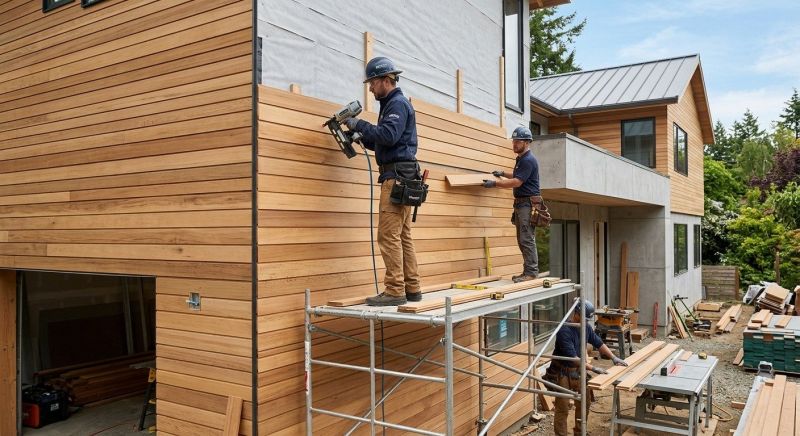
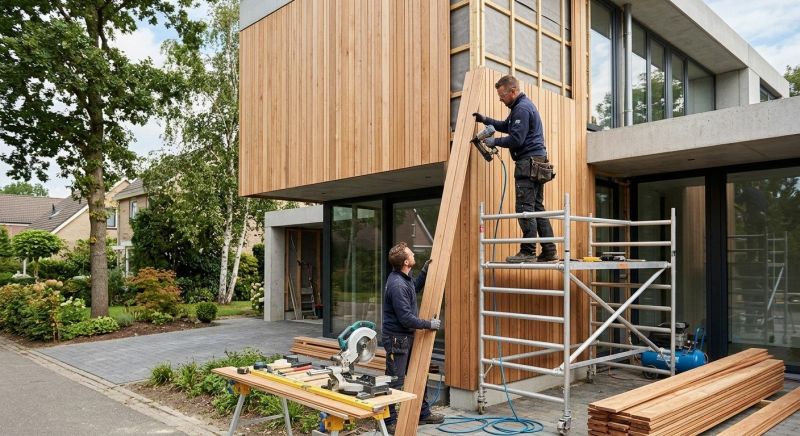
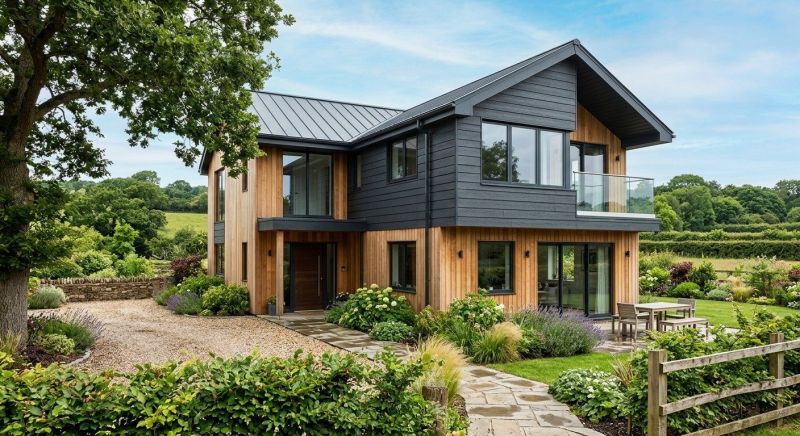
Wood Cladding - offers a natural look that can improve the aesthetic of residential exteriors.
Metal Cladding - provides a sleek, modern appearance with long-lasting performance.
Stone Veneer Cladding - adds a timeless, elegant finish to home facades.
Insulated Cladding Systems - improve energy efficiency while protecting the building envelope.
Home Cladding Installation Questions
What types of materials are used for home cladding installation? Common options include vinyl, fiber cement, wood, and metal, each offering different aesthetics and durability.
Can home cladding improve insulation? Yes, certain cladding materials can enhance a property's thermal performance and help reduce energy costs.
Is home cladding suitable for all types of buildings? Cladding can be applied to a variety of property styles, including residential homes, extensions, and renovations.
What should homeowners consider before installing cladding? Factors include the property's existing structure, desired appearance, maintenance requirements, and local building codes.
Request Home Cladding Installation in Boston, MA
Use the quote form on this page to share the basics of your project and request more information for the type of work you need.